Here is a look at the most significant, newsworthy events that occurred in October that you may have missed.
Sudan Tribal Clashes
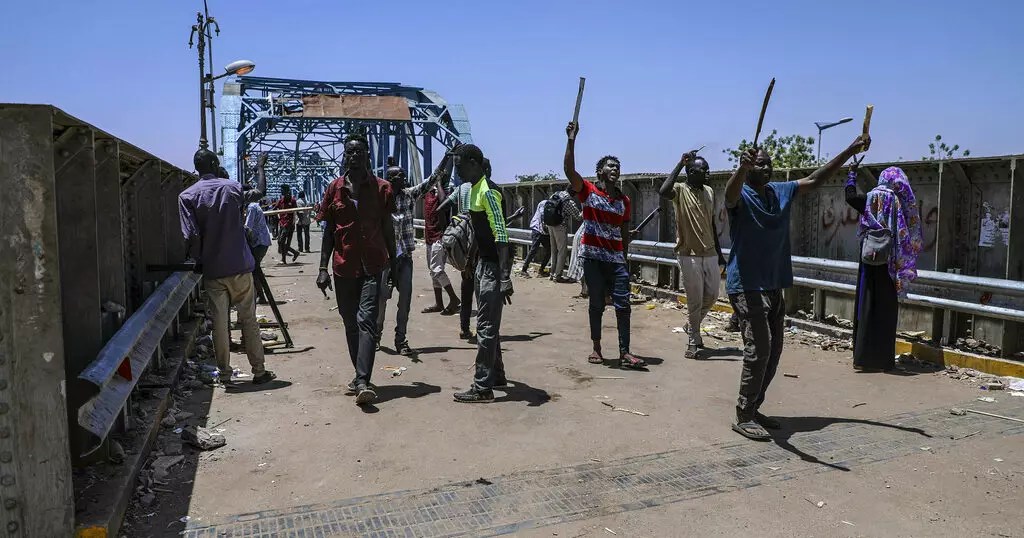
At least 287 people, including women and children, were killed in October in the latest round of escalation in Sudan’s tribal conflicts, according to the regional health minister. Clashes broke out between Hausa and Funj tribes over land disputes in Sudan’s Blue Nile State. According to the United Nations Office for the Coordination of Humanitarian Affairs, at least 70,000 people have been displaced as a result of the violence. Eyewitness reports have confirmed the deployment of heavy weapons by tribal forces, as well as lighter melee weapons such as machetes and axes, with reports describing the killings as brutal.
Russian Forces bomb Kyiv
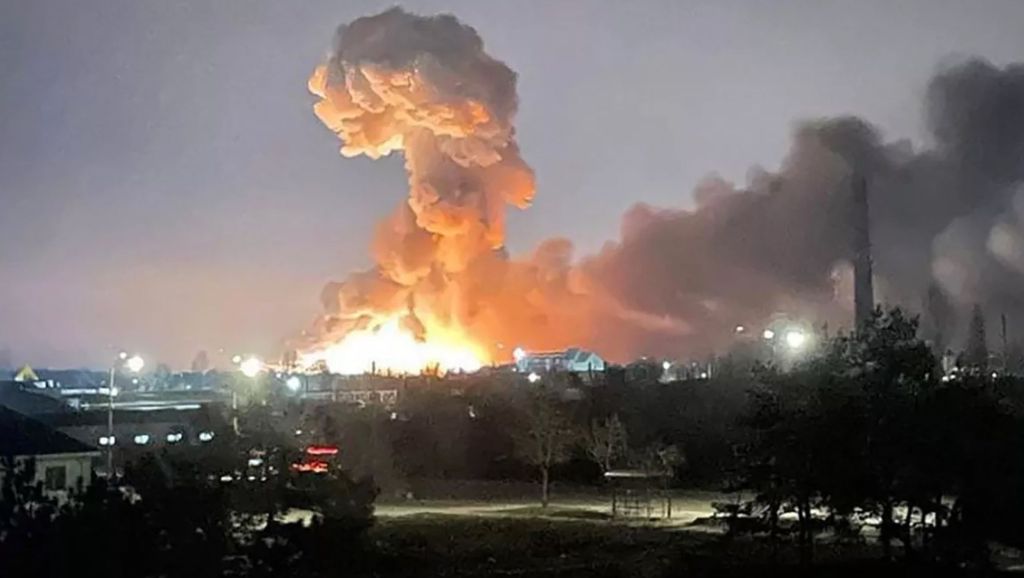
As Ukrainian forces generally continued their Eastern counter-offensive with success, Russian forces launched over 50 missiles at critical civilian infrastructures such as water and power plants, initially leaving over 80% of Kyiv’s residents without water and causing frequent blackouts. Analysts have suggested that due to Ukrainian battlefield advances, the Russian strategy has changed to targeting civilians through infrastructural warfare, hoping that a demoralised Ukrainian citizenry will push for peace negotiations, with a cold winter fast approaching. Russian sources have stated that this escalation was in response to a Ukrainian drone attack on one of its ships harboured in Crimea.
Rebel Infighting in Northern Syria
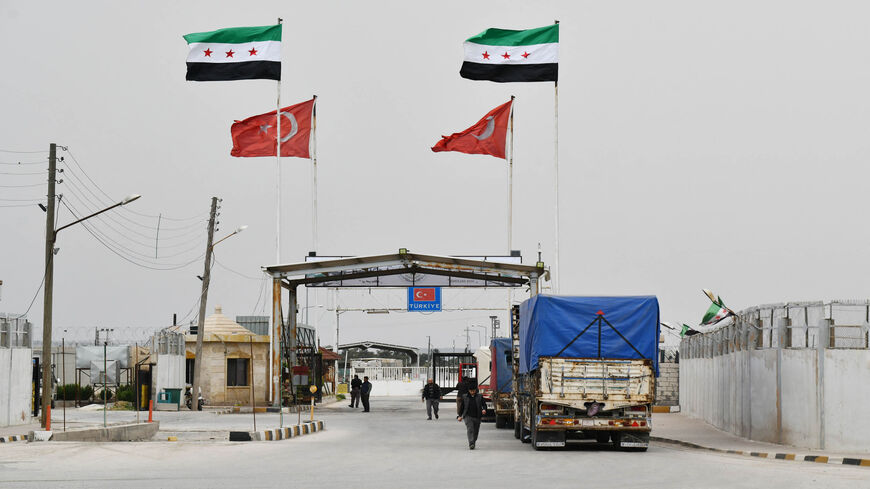
Clashes broke out between differing anti-Government rebel groups in Northern Syria after the Levant Front, one of the parties of the 3rd Legion of the Syrian National Army, discovered that the Hamza Division, a rival, and very closely Turkish-alligned faction of the Syrian National Army, conducted an assassination of a popular Syrian journalist and his pregnant wife. The Levant Front took control of Al-Bab and the Hamza Division headquarters on the outskirts of the town, and whilst the Hamza Division initially retreated, the Division conducted a regional counteroffensive with the help of the Al-Qaeda-affiliated Hayat Tahrir al-Sham (HTS), and other smaller, groups such as Ahrar al-Sham and al-Amshat. The Al-Qaeda-affiliated HTS dominated the battlefield and took full control of the city of Afrin. Videos circulated online of HTS vehicles conducting a patrol alongside a Turkish force. A first ceasefire was signed on 15th October, which was then broken on 17th October, before another ceasefire was signed on 19th October, which has somewhat held. It is estimated that around 50 soldiers died, alongside 10 civilian casualties.
Iran Protests: 1000 to be Trialled
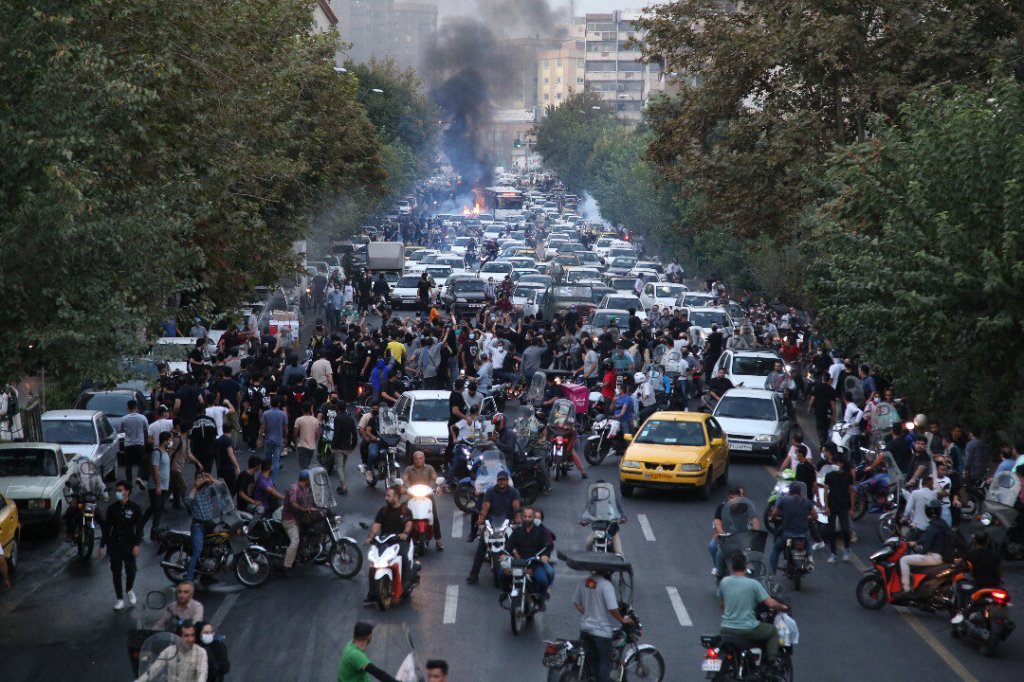
It was revealed by the Iranian Government that trials will begin for 1000 prisoners under arrest for their role in the protests that sparked after the death of Mahsa Amini, a Kurdish 22-year-old woman who after being arrested by the Iranian morality police, died in suspicious circumstances. It is alleged that she was brutally beaten until death by Iranian prison guards. The protests have remained ongoing for 7 weeks now, and human rights groups estimate that over 12,000 protesters have been arrested. TPR estimates that there have been upwards of 1600 injuries and close to 300 civilian deaths.
Shiraz Shrine Shooting
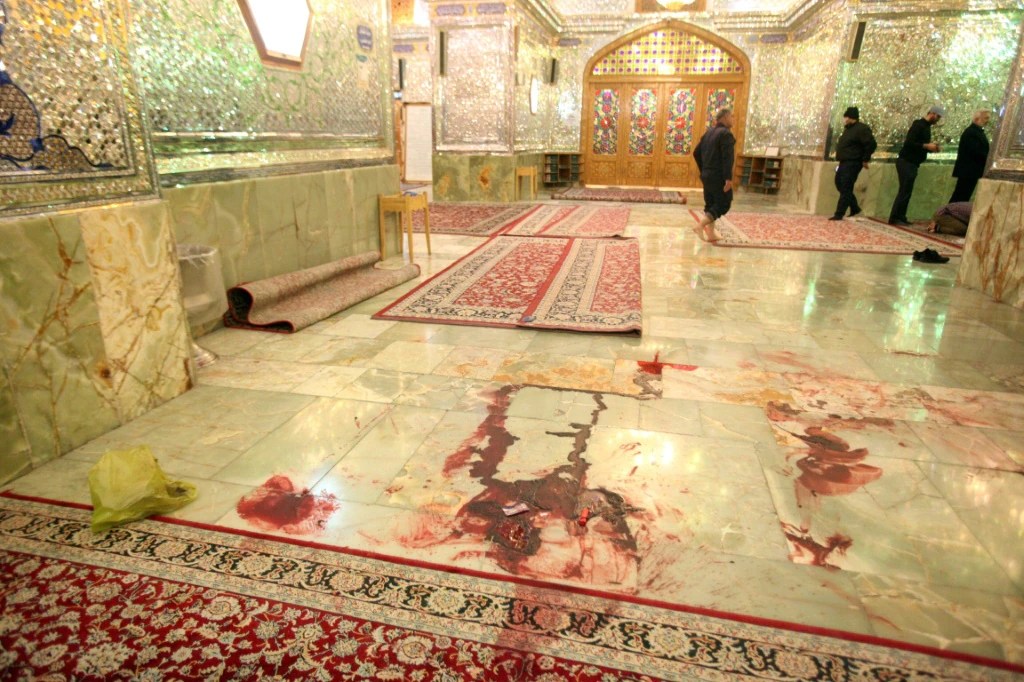
15 civilians including children reportedly died in an attack on the Shah Cheragh Shrine in Shiraz that took place on 26th October. The Shrine is the 3rd holiest site in Iran for Shi’a Muslims. Shah Cheragh was the brother of the 8th Shi’ite Imam, Imam Reza. Reuters reported that the Islamic State claimed responsibility for the attack through one of their telegram channels, which the terrorist organisation later confirmed through a statement released by Amaq News, an IS-affiliated news network. The Iranian government blamed the attack on ‘Takfiris’, however, some Iranians believe that the operation was carried out by the government to divert attention from the ongoing protests. The attacker succumbed to his wounds after initially being hospitalised and a further 6 people have been arrested.
Myanmar Concert Bombing

An airstrike conducted by Myanmar’s Air Force at a music concert on 23rd October killed over 80 people including musicians. The concert was organised by the Kachin Independence Organisation, a separatist and anti-coup organisation active in the East of Myanmar. The Kachin singer Aurali Lahpai was reportedly singing as three jets flew overhead and bombed the area, one of the bombs reportedly landing close to the stage which killed the singer and two further musicians. The concert was held in celebration of the 62nd anniversary of the Kachin Independence Organisation.
Al-Sudani named Prime Minister of Iraq
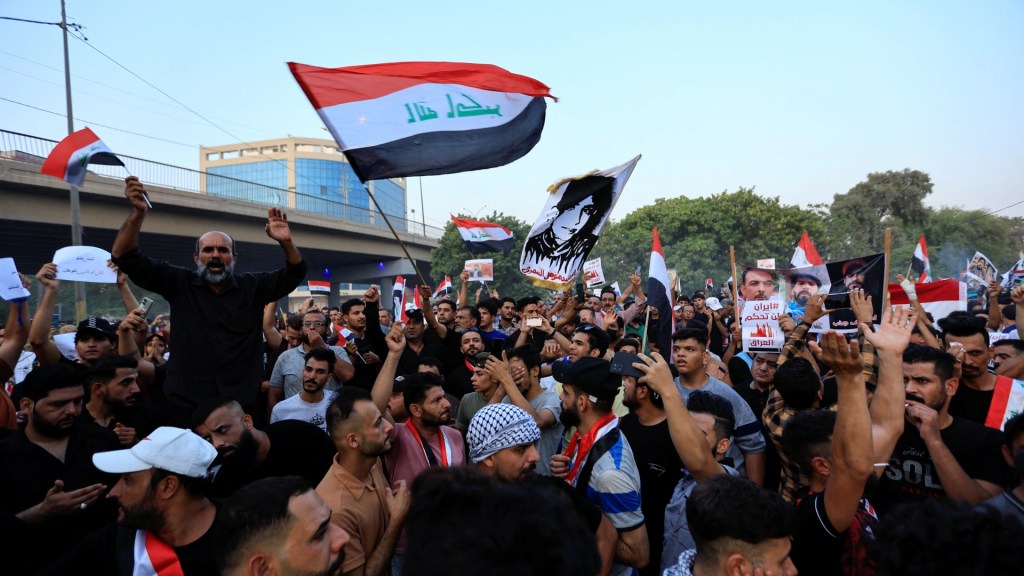
Despite months of violent protests and clashes between the supporters of Muqtada al-Sadr and the pro-Iran lobby in Iraq, Mohammad Shia al-Sudani was elected Prime Minister of Iraq, assuming office on 28th October. Al-Sudani is allied with the pro-Iran Coordination Framework, which is the political block closely aligned with the largest pro-Iran Popular Mobilisation Forces regiments such Kata’ib Hezbollah and Asa’ib Ahl al-Haqq. Sadrists have responded negatively to the appointment of Al-Sudani as Prime Minister, with protests ongoing in major cities commemorating the Tishreen protests of 2019.
Chad Protests

Protests held in mid-October turned deadly in the African nation of Chad, with the government imposing a curfew after it was announced that over 50 protesters had died in violent clashes with Chadian security forces. Protests occurred on the day where Chadian president Mahamat Idriss Déby Itno was to step down after taking the rule from his late father, Idriss Déby, who ruled over the nation for 30 years. Earlier in October, it was announced that the rule of Déby Itno was extended by a further two years, sending fear across the population that yet another dictator is set on ruling the country. Prime Minister Kebzado described the protests as “an armed popular uprising to seize power by force”.
Lebanon and Israel Sign Maritime Border Agreement
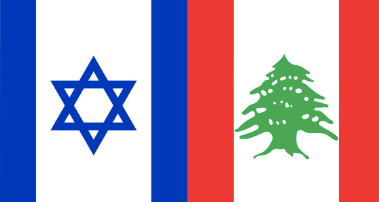
The Middle Eastern nations of Lebanon and Israel have signed what has been dubbed as a historic agreement between the two nations who are officially still at war. The agreement, signed on 27th October, gave Israel full control of the Karish Gas Field and gave Lebanon the Qana gas field. The Iranian backed resistance group Hezbollah, to the surprise of some, praised the agreement, stating that the agreement was reached without any ‘normalisation’ of Lebanon’s relationship with Israel. With the war in Ukraine increasing the price of gas to unusually high levels, the demand for natural gas from elsewhere is rapidly increasing.
Xi Jinping Reelected as CCP Chairman
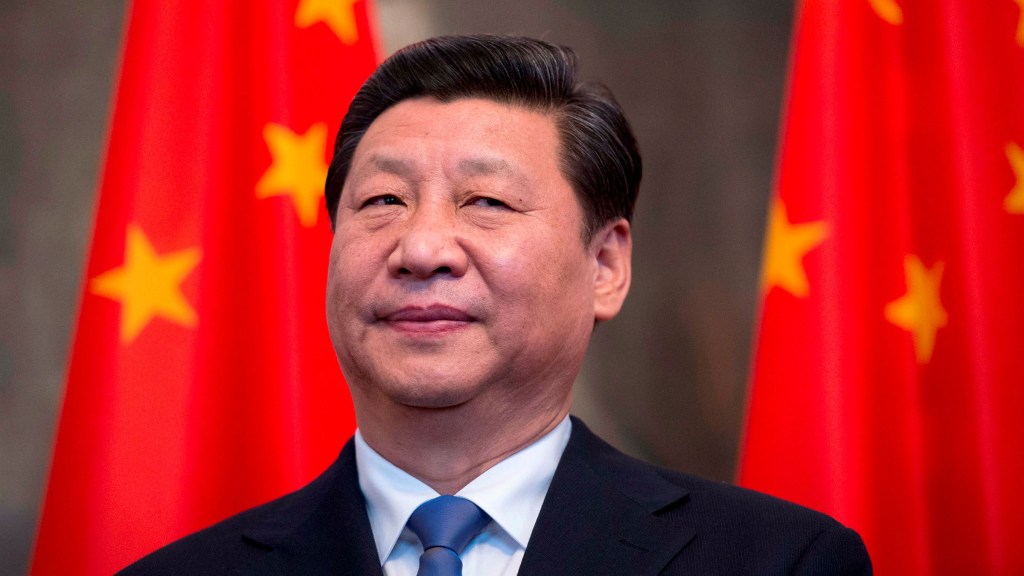
Chinese president Xi Jinping was re-elected as Chairman of the Chinese Communist Party after members approved a five year extension to his chairmanship. Jinping has led China through a remarkable period of economic growth and military expansion, with the nation’s economy doubling in size since the start of Jinpings reign of the party in 2012 and China’s aggressive military policy in the South China Sea. Xi Jinping’s authoritarian rule has been fraught with allegations of genocide against the Muslim Uyghurs, increases in political censorship, and widescale oppression.



 The Partisan report
Leave a comment