
Chibayish, Iraq.
The Marsh Arabs of Southern Iraq are being hung out to dry, quite literally too. Dams built in Turkey, Syria, and Iran, are drastically reducing the quantity of water running down the two historical rivers that define Mesopotamia: the Tigris, and the Euphrates. The Mesopotamian Marshes, and the inhabiting Marsh Arabs whose culture dates back to the time of ancient Sumer, are the first victims of these new dams built in the names of Turkish, Syrian, and Iranian hydroelectricity.
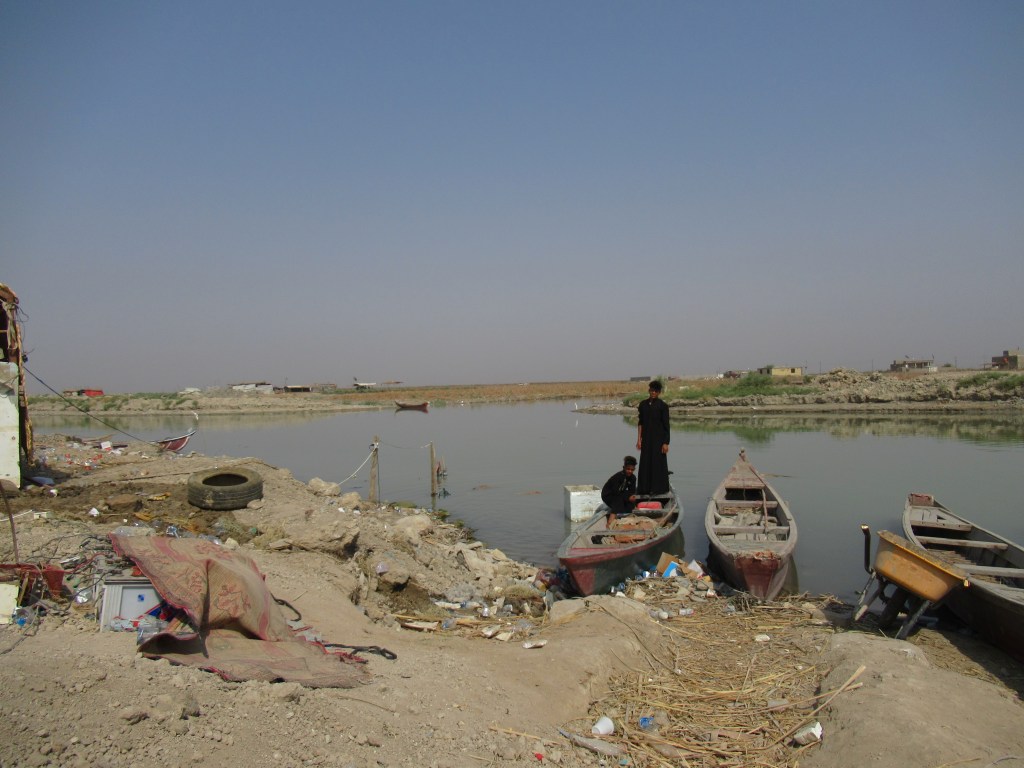
I visited the Iraqi Marshes in late August during the annual Arba’een pilgrimage to Karbala, and was lucky enough to be generously offered the hospitality of Abu ‘Ali, a high-ranking member of the Isaad tribe. Despite holding status within his tribe, Abu ‘Ali is illiterate, as is the case with many Marsh Arabs of his generation. He also has two wives.
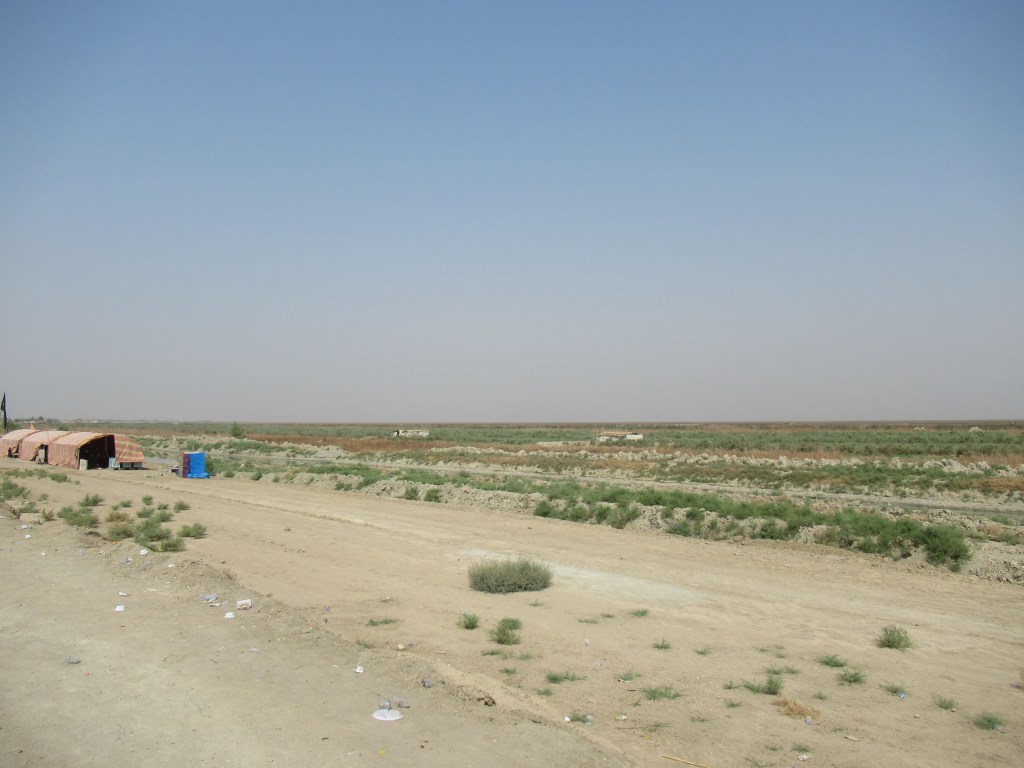
“There was water here!” shouted Abu ‘Ali as we were walking along Chibayish’s main road, whose sides are lined by recked boats fifty meters away from the slightest puddle on which they could at least float. “Now,” he paused, “Sahara.”
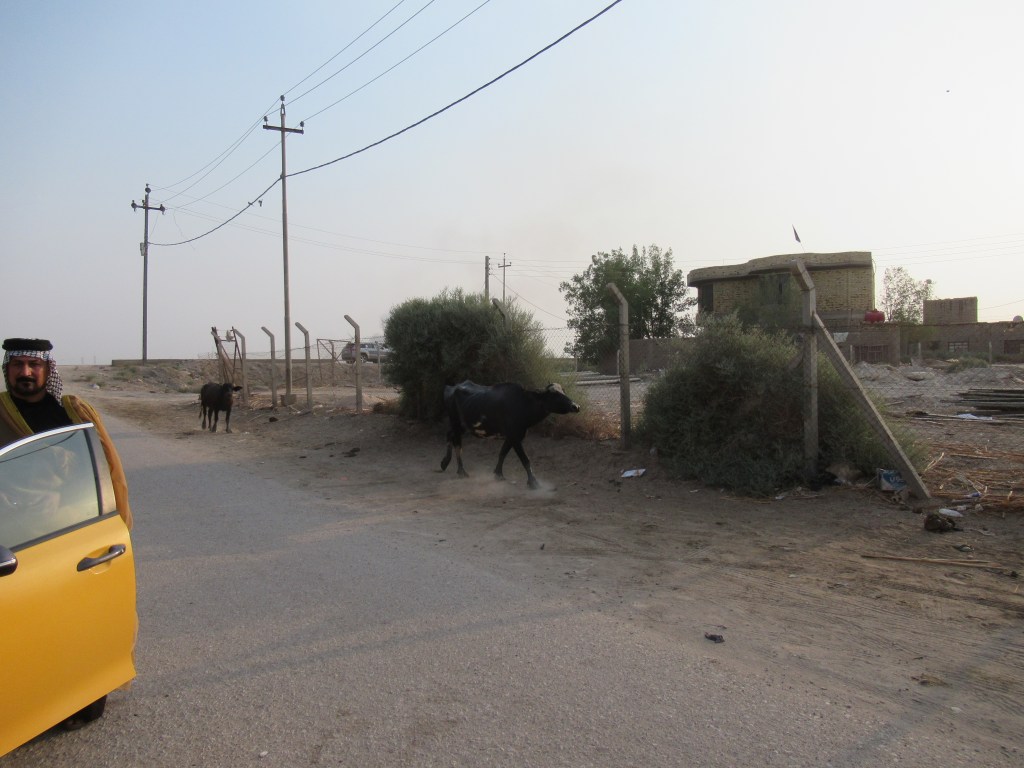
I asked him why, and although I could not understand much of the Arabic hidden behind his thick southern Iraqi dialect, he did say Turkey, Iran, and drought. Later on whilst drinking tea in his mudhiif, the traditional reed guesthouse characteristic of the Iraqi Marshes, Abu ‘Ali explained that before any of these problems, the former strongman-president of Iraq, Saddam Hussein, drained the Marshes after he accused the Marsh Arabs of treason during the Iraq-Iran war. Despite some genuine efforts from NGOs and universities, the Marshes have not come close to recovering to their pre-Saddam levels, and with geopolitical challenges such as dams built in countries upstream accompanying a deadly domestic duo of incompetent governance and drought, the fate of the Marsh Arabs looks increasingly bleak.
The Ba’athist Legacy
Before the reign of Saddam Hussein, the Marshes were renowned for being a pristine wetland wilderness, a sanctuary of water surrounded by endless miles of barren desert. During the period of the infamous Arab slave trade, freed captives in Mesopotamia would flee to the high reeds of the Marshes and live peaceful lives in hiding. Under the authoritarian rule of Saddam Hussein, Shi’a political rebels from the 1991 Iraqi uprisings would flee to the marshes, taking advantage of their natural surroundings to remain hidden from the Ba’athist regime, much like those African slaves had done centuries earlier.
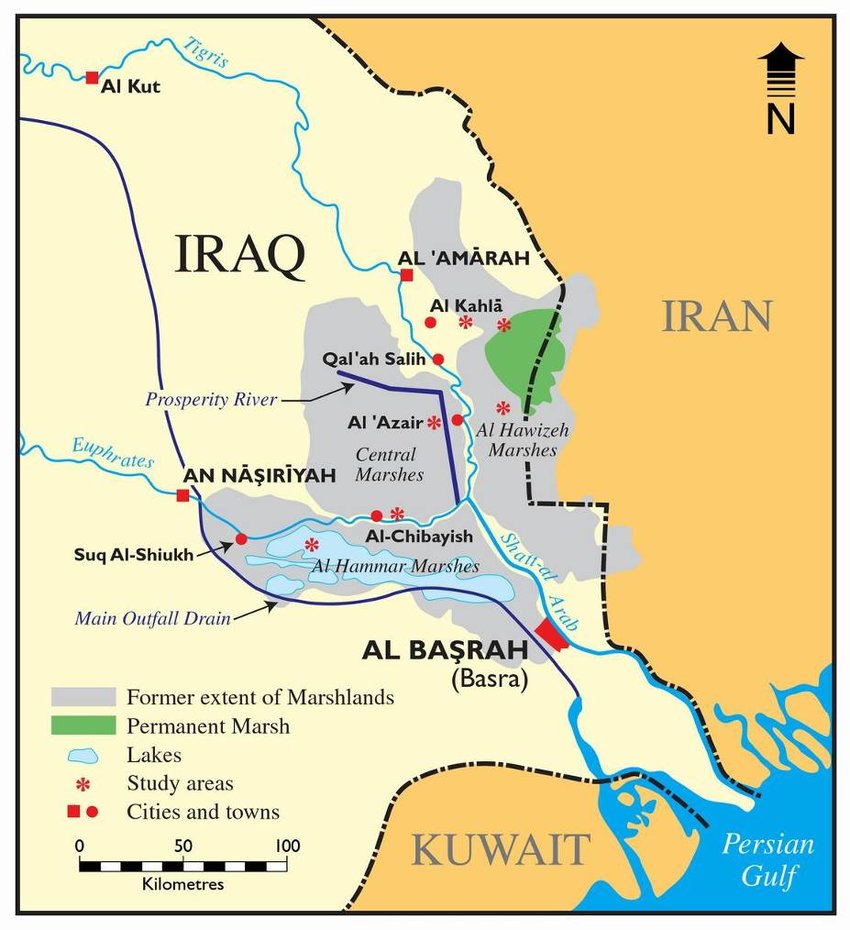
Saddam Hussein’s response to finding out that the marshes were being used as a hiding ground by his adversaries was to drain the swamps. Thousands of Marsh Arabs lost the ability to live in their homeland as their fishing spots dried up and water buffalo died. The water was simply diverted into the new, Ba’athist-constructed ‘Glory River’, which bypassed the Marshes. Although Saddam’s government claimed that the project was to destroy a mosquito breeding ground, thousands upon thousands of Marsh Arabs were forced to settle in the dusty cities of Southern Iraq as the main Central Marsh was decreased to a third of its original size. The USA, as well as many other parties, described this as eco-side and as ethnic cleansing.
This was the fatal arrow from which the Marshes have not recovered. After the US-led invasion of Ba’athist Iraq in 2003, efforts were made by multiple universities, and NGOs to restore the Marshes to their former glory. Despite some success, indicated by the resettlement of the Marshes by those formerly displaced Marsh Arabs, much of these wetlands remain barren as the water once again is drying up due to a long drought and the dams of Turkey, Syria, and Iran.
The Current Situation
The Ahwari Human Rights Network is a small Instagram page detailing the human rights situation of the Marsh Arabs. According to them:
“While Turkey constructs dams to deprive Iraq of water, Iran implements ethnic water conservation policies in areas populated by the Persian majority and murders residents who cross the Iranian-controlled side of the marshes. Iraq, on the other hand, cuts off water quotas from the south and keeps them for the central regions, which are primarily affected by the policies of upstream countries. The Iraqi government is still unwilling to pursue diplomatic solutions with upstream countries. Depriving us of our historical and cultural right to water is a form of mass forced migration, with long-term consequences.”
The future for the Marsh Arabs worsens every day. The Iraqi Government seems either to be unwilling or incapable of addressing the needs of Iraq’s Marshes and Marsh Arabs. The Iraqi government is also building a new border barrier directly through one of the large marshes in an attempt to reduce drug smuggling between Iran and Iraq, draining the Hawizeh Marshes and forcing the displacement of its inhabitants. Protests against this move are met with cursing and violence from local police officers, according to local sources.
Many are starting to lose hope. The once pristine Iraqi Marshes day by day, and inch by inch, are drying up, forcing an ancient way of life to resign itself to the history books. A modern-day eco-side, and a mass displacement of people, unfolding before our eyes.



 The Partisan report
Leave a comment