
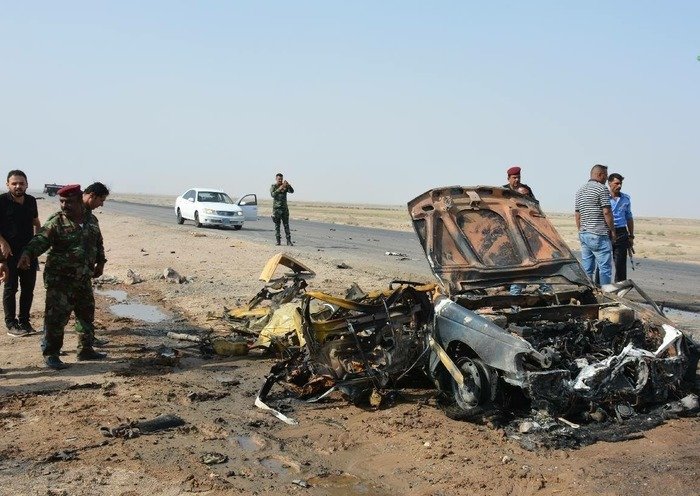
Following the territorial decline of the Islamic State of Iraq and Syria (ISIS) and its transformation into a guerrilla movement after Iraqi security forces recaptured Mosul in 2017, comprehending the tactics used by the group remains as crucial as ever. This essay delves into ISIS tactics in Iraq after the liberation of Mosul, with a focus on explosive attacks targeting civilians. Specifically, it investigates the potential correlation between these tactics and the religious diversity of provinces. Examination of data on ISIS explosive attacks until the end of 2020 reveals discernible patterns. While most attacks occur in the religiously mixed governorates of Diyala and Baghdad, the deadliest incidents occur in Shi’a-dominated areas in southern Iraq. Regions with a Sunni majority witness fewer attacks on civilians as a percentage. This study addresses a gap in the literature by providing insights into ISIS’ post-2017 tactics in Iraq, contributing to a better understanding of contemporary terrorism dynamics.
The full paper can be downloaded below.



 The Partisan report
Leave a comment