

The Shuath device, a locally manufactured Explosively Formed Penetrator (EFP), has emerged as one of the most iconic tools in the arsenal of Palestinian resistance groups in Gaza. Unlike traditional improvised explosive devices (IEDs), EFPs are specifically engineered to defeat heavy armour, posing a serious threat to Israeli Merkava tanks, armoured bulldozers, and personnel carriers.

This article provides an overview of the Shuath device’s design, tactical deployment, and significance in the evolving landscape of asymmetric warfare in the Gaza Strip.
What is the Shuath Device?
The Shuath device is an EFP — a specialised anti-armor weapon that uses an explosive charge to transform a metal liner (often copper) into a high-velocity slug capable of punching through vehicle armor.

The name “Shuath” comes from a Qu’ran verse:
يُرْسَلُ عَلَيْكُمَا شُوَاظٌۭ مِّن نَّارٍۢ وَنُحَاسٌۭ فَلَا تَنتَصِرَانِ
“Flames of fire and molten copper will be sent against you, and you will not be able to defend one another.”
The name captures both the weapon’s symbolic and literal destructive power. Variants of the English spelling include Shuaz, Shawaz, and Shawath, but all refer to the same device.
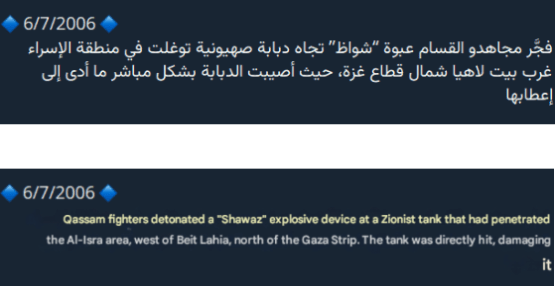
Whilst the earliest recorded use of the device was in July 2006, the Shuath device has become a key device in Hamas’ and its allies’ war against Israel over the last 18 months.
Tactical Deployment and Use
The Shuath is primarily deployed against Israeli armoured vehicles in urban and semi-urban environments. Video footage shows the device being used in several ways:
- Command-wire detonation appears to be the most common, providing operators precise control over timing.
- Pressure plate triggers have also been observed, particularly in footage of the device being used by Palestinian Islamic Jihad’s armed Wing, Saraya al-Quds, possibly as part of more autonomous trap setups.
- In rarer, high-risk attacks, fighters have used set-and-run tactics, placing the device close to a target and fleeing before detonation.

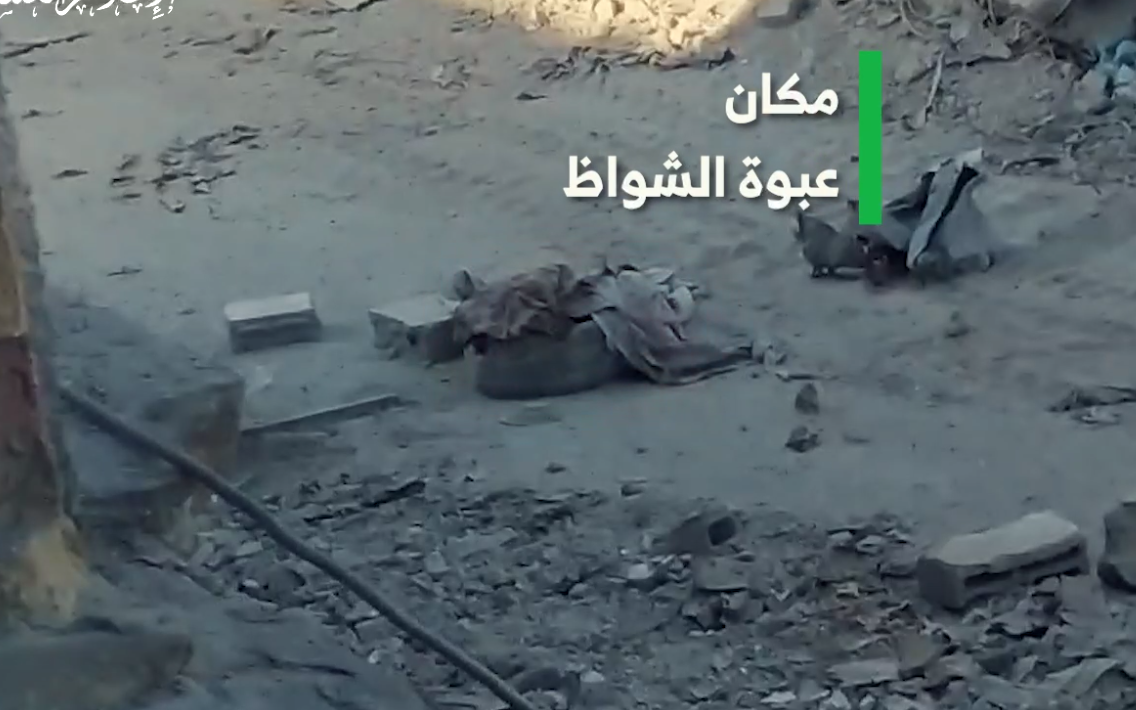



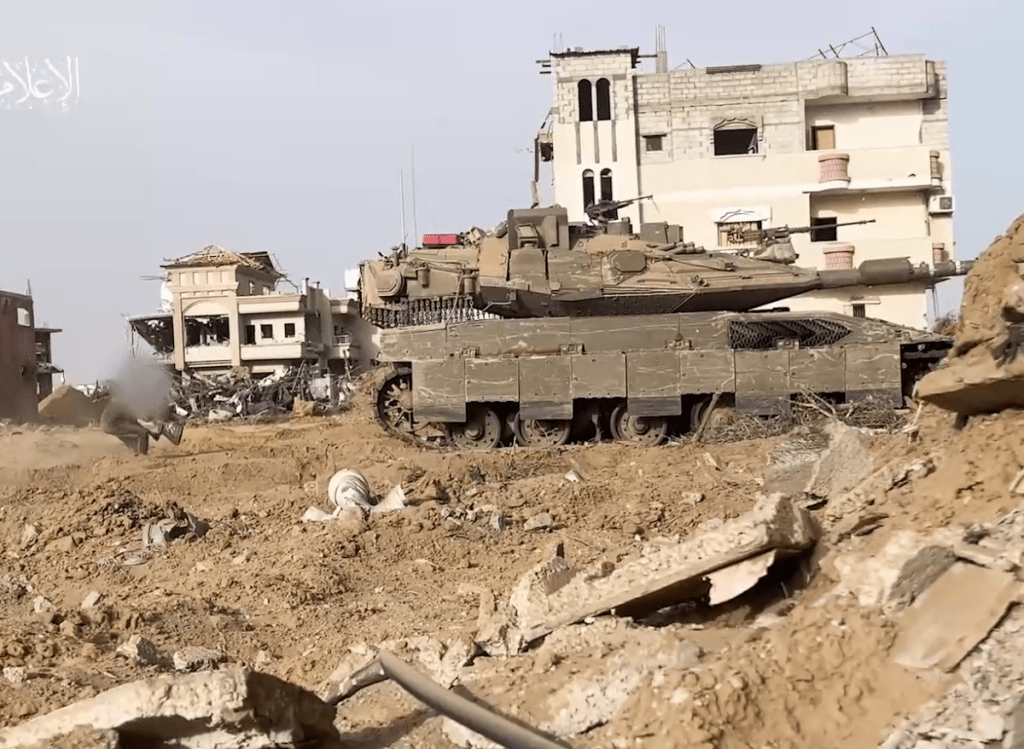
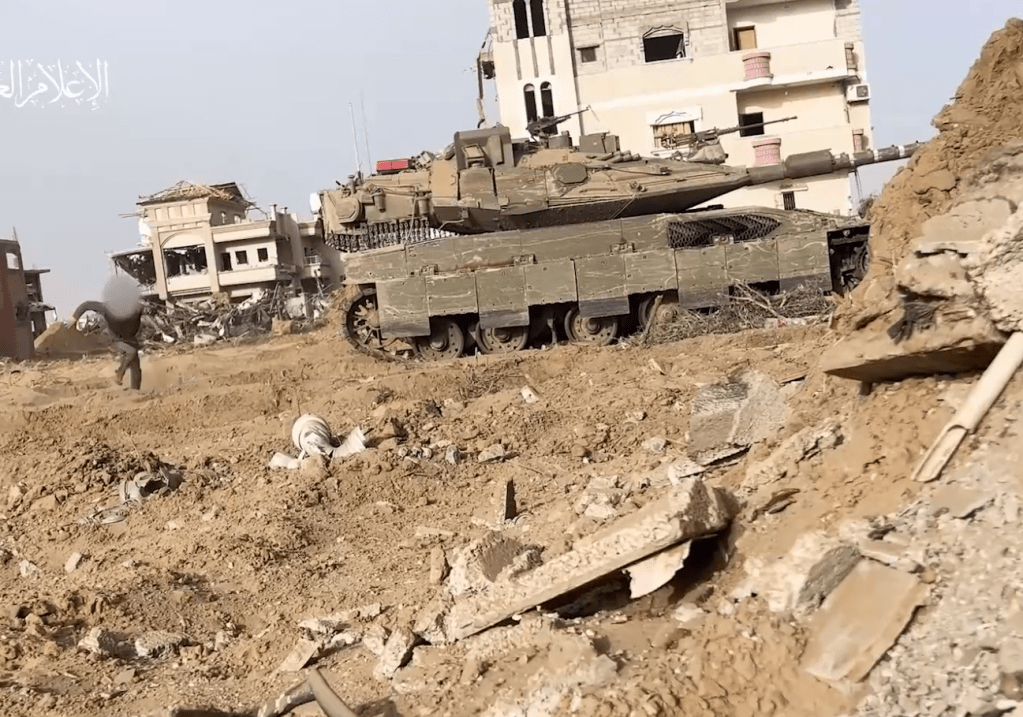
The device is often hidden beneath light debris such as tyres, cardboard, or blankets to avoid aerial detection and visual spotting by ground troops. In at least one case, it was allegedly used in conjunction with an unexploded Israeli bomb, suggesting a degree of tactical innovation or desperation.
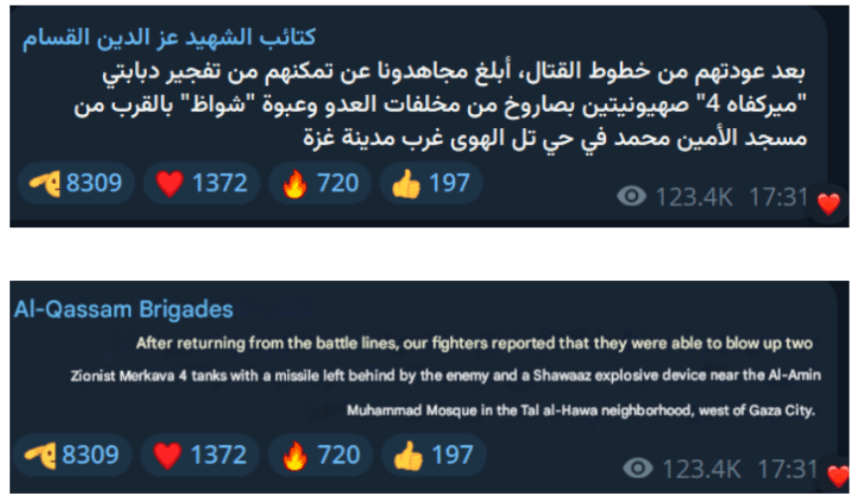
Footage published by Kata’ib al-Qassam also shows Shuath devices being used alongside other anti-armour weaponry, notably the Yassin 105 Tandem-warhead shoulder-fired projectile — a tandem warhead designed and intended to bypass the reactive armour of Israeli Merkava tanks.



Group Usage and Operational Reach
While most frequently attributed to Hamas’ Al-Qassam Brigades, the Shuath or similar EFPs have also been deployed by Saraya al-Quds (SQ). At least two videos from the Netzarim corridor area in the Gaza City governorate show SQ operatives using EFPs against advancing Israeli armour.
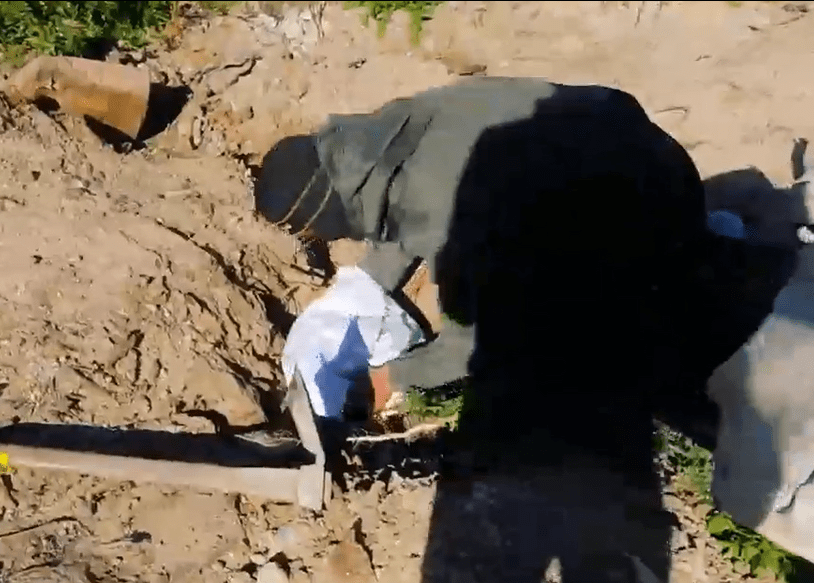
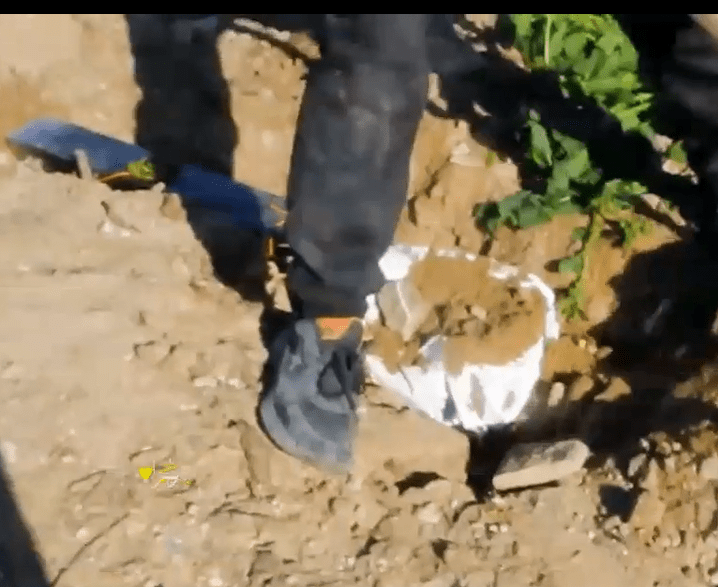
In both instances, a pressure plate will be embedded in rubble or in earth near the EFP, suggesting some variation in SQ’s deployment method.
The Shuath’s widespread use across factions signals a possible shared manufacturing base, cross-group technical cooperation, or common training pipelines — likely supported by outside expertise or at least imported know-how.
*Links to videos showing the use of the Shuath Device are available upon request*



 The Partisan report
Leave a comment